Style Inspiration
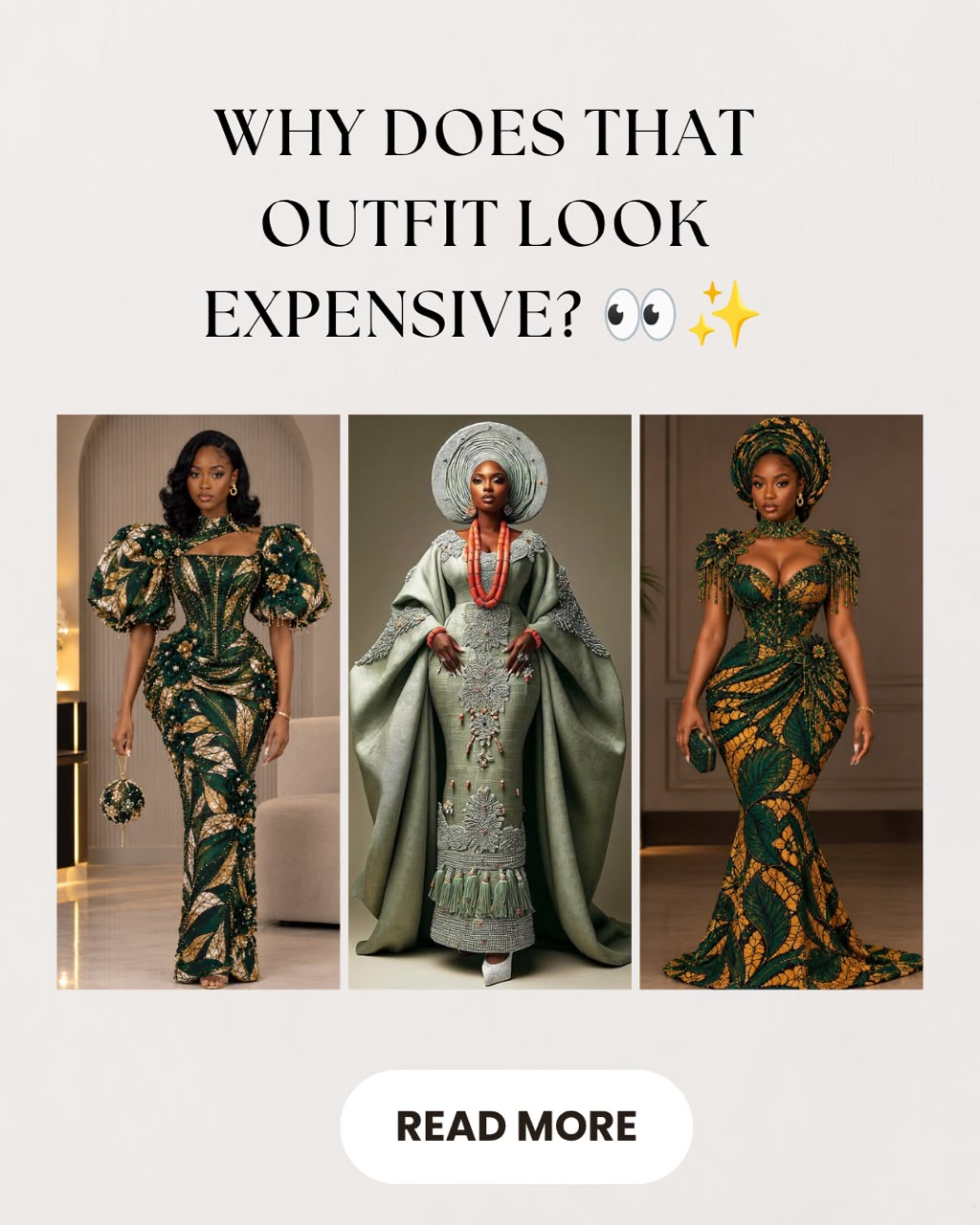
Have you ever seen someone wearing a relatively simple outfit and wondered how they managed to make it look so elegant? No excessive accessories. No complicated design. No obvious attempt to attract attention. Yet somehow, everything looks intentional. Meanwhile, you may have an outfit that cost more, but the overall appearance doesn't feel quite as polished. What's the difference? Often, it comes down to the details. You don't always need expensive designer labels to put together a beautiful look. Paying attention to fit, fabric, finishing, and styling can make a meaningful difference. Here are six things worth considering. 1. Fit matters more than you think. An outfit can be beautiful on a hanger but look completely different when worn. Clothing that fits comfortably and suits your proportions often looks more polished than something chosen simply because it is fashionable. For custom clothing, communicate clearly with your tailor about the intended fit. Do you prefer a relaxed silhouette, a structured appearance, or a closer fit? The aim is not to follow one universal standard. It's to make sure the garment works for your body and personal style. 2. Fabric choice changes the final appearance. Different fabrics create different effects. Some drape softly, while others hold their shape. Some have a subtle finish, while others reflect light or feature intricate patterns. Think about how the fabric will work with your intended design. A structured outfit may require a material with enough body to maintain its shape. A flowing dress may benefit from a fabric with a softer drape. The best material is the one that supports the look you want. 3. Finishing deserves attention. Small details can influence the overall impression of a garment. Look at the seams, hems, buttons, zips, embroidery, and other finishing elements. These details may not be the first things people notice, but they contribute to how well an outfit comes together. For custom tailoring, discuss finishing expectations before work begins. 4. Don't underestimate colour coordination. You don't need to match every item perfectly. Instead, think about how your colours work together. You might combine complementary colours, use neutral tones to balance a patterned outfit, or create a more dramatic look through contrast. Consider your fabric, footwear, accessories, and other elements as parts of one overall composition. 5. Accessories should support the outfit. Accessories can elevate an outfit, but more is not always better. A statement bag, carefully chosen jewellery, elegant footwear, or a well-styled headpiece may be enough to complete your look. Think about whether each accessory contributes to the overall appearance. You can make a strong impression without wearing everything you own at once! 6. Confidence completes the look. The way you carry yourself can influence how you feel in an outfit. Choose clothing that allows you to move comfortably and enjoy your day. Fashion should give you room to express yourself, not make you feel like you're constantly adjusting something. So, what's the secret? A polished outfit often comes from thoughtful decisions rather than one expensive purchase. Choose suitable fabrics, pay attention to fit, communicate with your tailor, and style your accessories with intention. And don't forget that personal taste matters. What looks elegant to one person may not appeal to another. The goal isn't to look like someone else. It's to make your own style look its best.